911 WIRE SAFETY
Morning Star Tree Company Inc. Heraldic Crest MORNING STAR TREE CO. MARK WM. SKOWRON • EST. 1980
Call
📚 ARBORIST & FIREFIGHTER TECHNICAL FIELD LIBRARY // SINCE JANUARY 1980

Homeowner Storm Triage, Florida HO-3 Insurance Claim Rules & Wind-Throw Physics

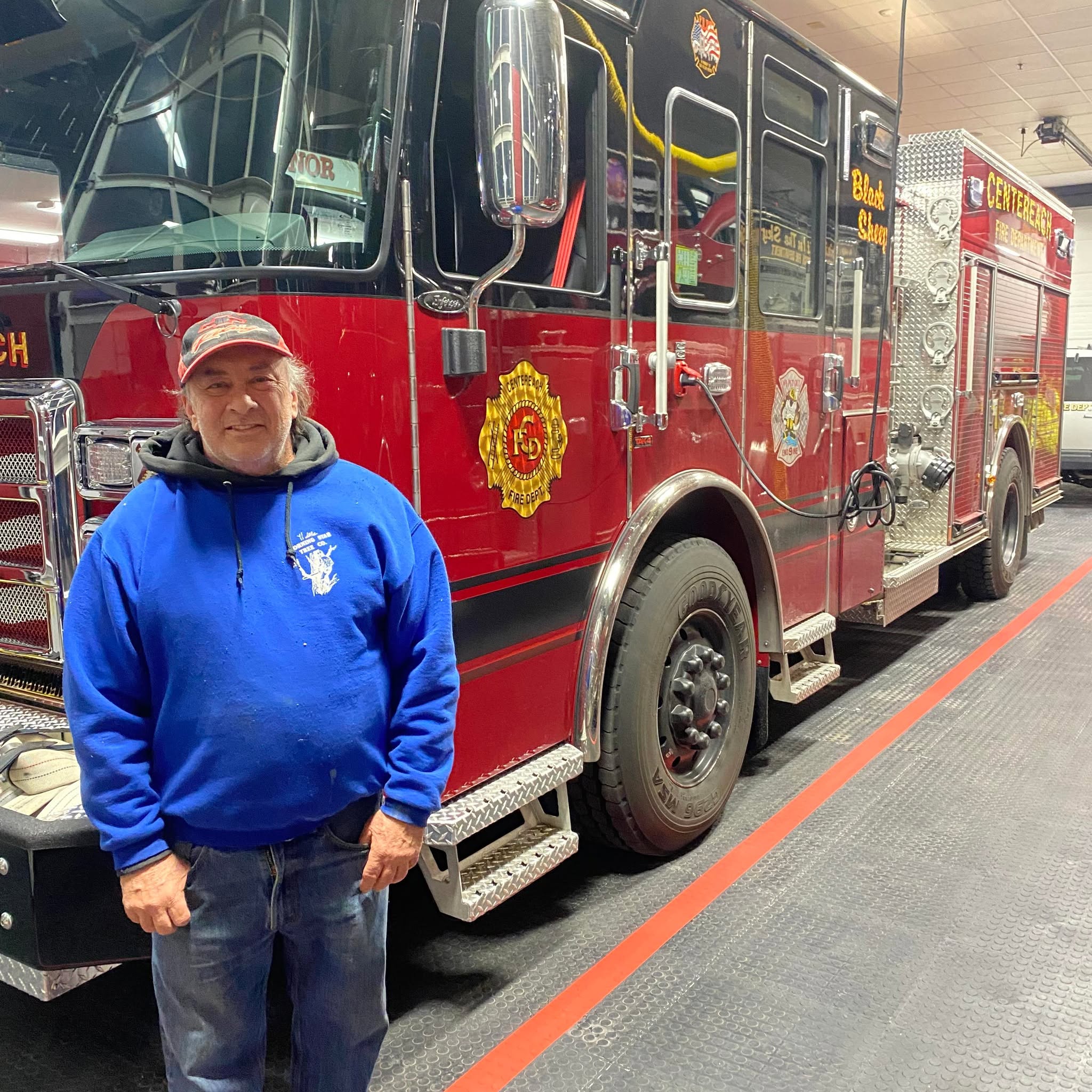
Written from 46+ years of hands-on tree rigging (Owner since January 1980) and 33+ years of Centereach Volunteer Fire Department Engine Co. 3 emergency rescue experience. Use these underwriting and engineering guides before and after severe Gulf Coast or East Coast weather.

GUIDE 01 // FLORIDA & NATIONAL HO-3 HOMEOWNERS INSURANCE CLAIMS

How Homeowners Insurance Covers Emergency Storm Tree Removal & Crane Extraction

Under standard HO-3 homeowners insurance policies in Florida (Tampa Bay, Pensacola, Milton) and nationwide, insurance carriers strictly distinguish between structural extraction (lifting a tree off a covered structure such as a roof, garage, screen enclosure, or fence) and ground debris haul-away:

  • 01. Tree Resting on a Covered Structure (Uncapped Coverage A): The reasonable cost of crane (1-888-Tree Doc) and technical rigging required to safely lift and remove the tree from the damaged roof or wall is covered under Dwelling (Coverage A) mitigation with no $500 debris sub-limit.
  • 02. Tree Blocking a Driveway or Mobility Ramp: Most policies cover removal if a fallen tree blocks the primary residential driveway or a handicapped access ramp, plus up to $500–$1,000 for general ground debris haul-away.
  • 03. Complete Underwriting Dossier: Morning Star Tree Company Inc. provides timestamped pre-extraction photos, itemized rigging vs. debris line-item invoices, Certificate of Insurance (COI), and signed W-9 directly into your Homeowner Storm Claim & Underwriting Vault.
3-PART ADJUSTER INVOICE ARCHITECTURE // PREVENTING THE $500 DEBRIS CAP TRAP
INVOICE SECTION A • COVERAGE A

1. Crane & Rigging Structural Extraction

Itemizes heavy crane setup, hydraulic outrigger stabilization, Port-A-Wrap friction rigging, and technical climber hours used strictly to lift timber clear of your roof trusses, lanai cage, or perimeter fence.

INVOICE SECTION B • MITIGATION

2. Emergency Roof Tarping & Stabilization

Documents immediate post-extraction weatherproofing and roof deck tarping required under your policy’s mandatory "Reasonable Emergency Measures" clause to prevent secondary interior water damage.

INVOICE SECTION C • DEBRIS SUB-LIMIT

3. Curbside Bucking, Chipping & Haul-Off

Isolates ground-level chainsaw bucking, Morbark brush chipping, and Bobcat MT100 log loading so your adjuster applies the $500–$1,000 debris sub-limit only to ground cleanup—never to the structural crane lift.
GUIDE 02 // SOIL SATURATION & ROOT-PLATE BIOMECHANICS

Why Trees Fall Days After A Hurricane Passes (Soil Liquefaction & Root Shear)

In both Tampa Bay's high-water-table sandy soils and the Pensacola/Milton Panhandle's clay-sand interfaces, 6 to 15 inches of tropical rainfall reduces soil cohesive shear strength by over 60%. Even after peak hurricane gusts subside, a water-logged canopy (+2,000 lbs of retained rainwater weight) combined with a 25 mph post-storm breeze frequently triggers delayed root-plate heaving. Always inspect the base of large oaks and pines for semicircular soil cracks or lifting turf after heavy rain.

GUIDE 03 // COMMERCIAL, HOA & MUNICIPAL FEMA CATEGORY A & CATEGORY B COMPLIANCE

Commercial, HOA, Golf Course & Municipal FEMA Category A (Debris Removal) & Category B (Emergency Protective Measures)

For community associations (HOAs/CDDs), waterfront estates, golf clubs, commercial centers, and municipal rights-of-way across Tampa Bay and Escambia/Santa Rosa Counties, federal and commercial disaster reimbursement distinguishes between FEMA Category A (Debris Removal) and FEMA Category B (Emergency Protective Measures):

01 // FEMA CAT A (2"+ HANGERS & 30°+ LEANERS)

GPS-tagged pre-work and post-work photo verification of hazardous hanging limbs (2 inches or greater in diameter) and compromised leaning trees (>30° root-plate tilt or exposed root shear) threatening public or HOA thoroughfares, plus cubic-yardage haul-off logs.

02 // FEMA CAT B (EMERGENCY PROTECTIVE MEASURES)

Immediate life-safety stabilization and emergency access clearance—including 1-888-Tree Doc crane extraction of storm-damaged timber off critical facilities, pump stations, primary emergency fire lanes, and structural roofs.

03 // INSTANT COI & W-9 VENDOR PACKET

Immediate delivery of Morning Star Tree Company Inc.’s active Certificate of Insurance (COI), signed IRS Form W-9, and multi-day fleet rate schedules via our Operations & Claim Vault.

04 // ZERO-TURF-IMPACT FLEET

Coordinated deployment of our 1-888-Tree Doc crane truck, Altec aerial bucket lift, low-ground-pressure Bobcat MT100 track loader, Morbark chipper, and Smart-Sweep stump grinders.

GUIDE 04 // FLORIDA STATUTE § 163.045 & SPECIES FAILURE BIOMECHANICS

Florida Statute § 163.045 Residential Dangerous Tree Exemption & Species Failure Biomechanics

Under Florida Statute § 163.045, municipal and county governments across Florida (including City of Tampa, Hillsborough, Pinellas, Pasco, Escambia, and Santa Rosa Counties) cannot require a notice, application, approval, permit, fee, or mitigation replanting for the pruning, trimming, or removal of a tree on residential property if the homeowner obtains documentation from an ISA Certified Arborist or Florida licensed landscape architect confirming that the tree poses an unacceptable risk to persons or property.

01 // LAUREL OAK & WATER OAK HEART-ROT

Laurel Oaks (Quercus laurifolia) and Water Oaks reach biological senescence at 45–60 years in Florida’s high-water-table sandy soils, developing rapid internal Ganoderma butt rot and hollow heartwood that triggers sudden basal failure during summer squalls.

02 // LOBLOLLY, LONGLEAF & SLASH PINE SNAP

Tall Panhandle and Gulf Coast pines store massive aerodynamic bending moments during tropical gusts—resulting in violent mid-stem torsion fractures or saturated root-plate upheaval requiring crane-suspended extraction.

03 // SOUTHERN LIVE OAK CODOMINANT UNIONS

While Southern Live Oaks (Quercus virginiana) boast exceptional wood density, unpruned codominant stems with included bark and over-extended lateral limbs over roofs require ANSI A300 end-weight reduction to prevent split-out.

🎙️ TECHNICAL LIBRARY ANSWER VAULT // HO-3 CLAIMS, FEMA CAT A/B & FL STATUTE § 163.045

Florida Storm Insurance, FEMA & Tree Law Frequently Asked Questions

Direct underwriting, statutory, and structural rigging answers from Mark Wm. Skowron (46+ Years Owner Since Jan 1980 & 33+ Year Centereach FD Engine Co. 3 Veteran):

1. How does Florida HO-3 homeowners insurance cover tree-on-roof crane extraction? ▼

Under standard Florida and national HO-3 homeowners insurance policies, when a storm-damaged tree falls onto a covered structure (such as your roof, garage, screen enclosure, or fence), the reasonable cost of crane and technical rigging required to safely lift the tree off the structure is covered under Dwelling Coverage A mitigation without a $500 debris sub-limit.

2. Why does itemized crane vs. debris billing prevent the $500 insurance debris cap trap? ▼

Most HO-3 policies cap general ground debris haul-away at $500 to $1,000. If a tree contractor hands you a single lump-sum invoice, adjusters may apply the $500 debris cap to the entire bill. Morning Star Tree Company Inc. separates your invoice into three distinct line items: (1) Uncapped Coverage A Crane & Rigging Structural Extraction, (2) Covered Emergency Roof Tarping Mitigation, and (3) Curbside Debris Processing, ensuring full Coverage A reimbursement for the structural lift.

3. What is the difference between FEMA Category A and FEMA Category B for commercial, HOA, and municipal storm recovery? ▼

FEMA Public Assistance Category A covers Debris Removal—specifically GPS-tagged removal of hazardous hanging limbs 2 inches or greater in diameter, leaning trees tilted more than 30 degrees with root-plate shear, and right-of-way vegetative haul-off. FEMA Category B covers Emergency Protective Measures required to eliminate immediate threats to life, public health, and safety, such as emergency crane extraction of trees threatening critical infrastructure, emergency access corridor opening, and structural stabilization.

4. How does Florida Statute § 163.045 exempt residential homeowners from local tree removal permits? ▼

Under Florida Statute § 163.045, municipal and county governments across Florida cannot require a notice, application, approval, permit, fee, or mitigation replanting for the pruning, trimming, or removal of a tree on residential property if the homeowner possesses documentation from an ISA Certified Arborist or Florida licensed landscape architect confirming the tree poses an unacceptable risk to persons or property.

5. What documentation and receipts do homeowners need for rapid insurance reimbursement after a storm? ▼

To ensure rapid reimbursement from your homeowners insurance carrier, you need timestamped pre-extraction photos showing the tree resting on a covered structure, a written scope of work, an itemized paid receipt separating Coverage A structural crane extraction from ground debris processing, plus the contractor's Certificate of Insurance (COI) and IRS Form W-9. Mark Wm. Skowron (Owner since January 1980 & 33+ year Centereach FD Engine Co. 3 Firefighter) provides this complete reimbursement dossier on every emergency extraction.

🚒 DIRECT OWNER & VETERAN FIREFIGHTER TRIAGE // FULL ITEMIZED INSURANCE RECEIPTS

Tree on Your Roof or Question About Your Insurance Claim?

Call or text a photo of your tree directly to Mark Wm. Skowron at 1-888-TREE-DOC (888-873-3362) for immediate structural load assessment, HO-3 claim guidance, or commercial/HOA dispatch.

📞 888-TREE-DOC 📸 Text Photo